your go to choice for Yard Cleanup
The Essential Guide to Landscaping: Key Services, Benefits, and Areas We Cover
The Complete Landscaping Guide offers a thorough examination of important offerings that improve outdoor areas. It outlines the importance of professional design, efficient installation methods, and consistent care. Every element supports the value of a property and practicality while managing unique community challenges. Since sustainability continues to gain importance, understanding local expertise is vital. What deeper understanding can this resource deliver to convert landscapes into dynamic and lively surroundings?
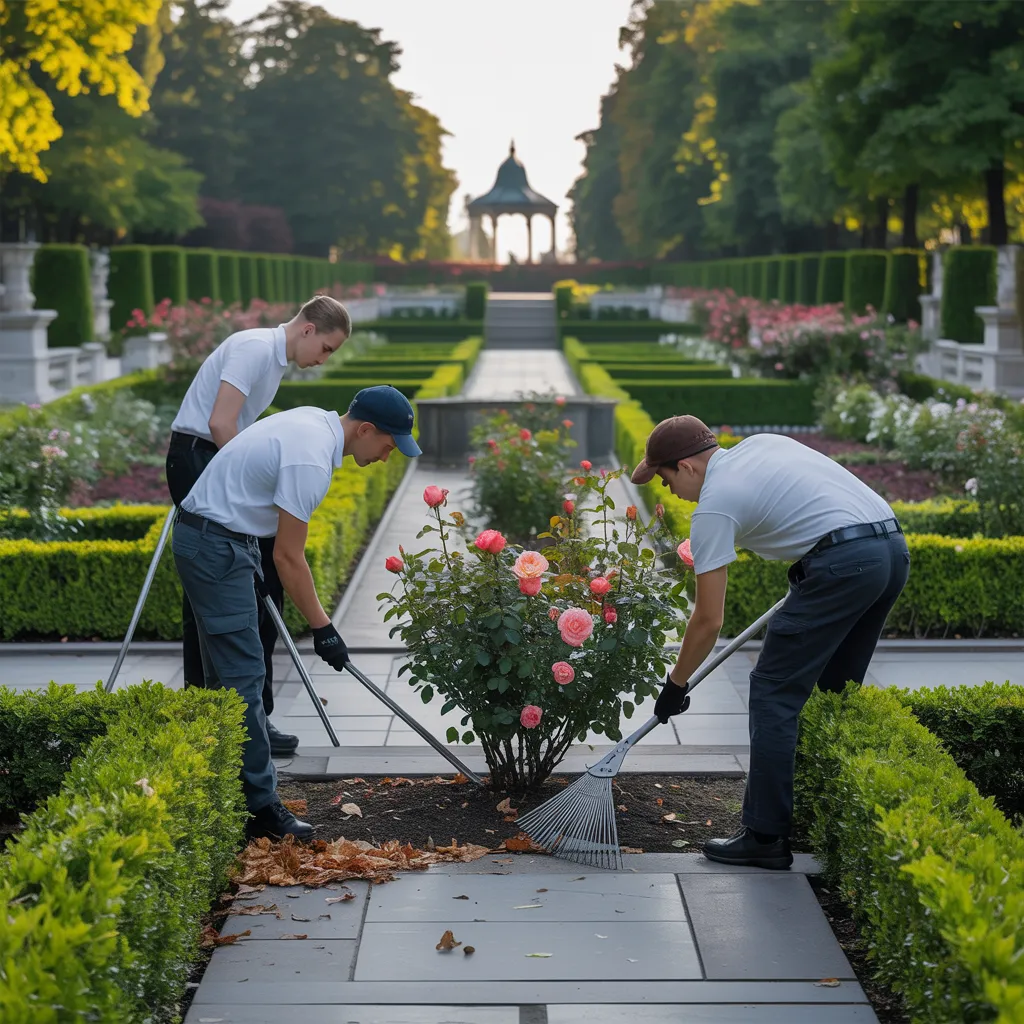
Exploring Essential Landscaping Services
Landscaping covers a variety of important services that contribute to the beauty and functionality of exterior spaces. Core landscaping services typically include maintenance, design, and installation. Design involves creating a blueprint that aligns with the environment while meeting the client's vision. This phase often incorporates elements like water features, plant selection, and hardscaping.
The installation process follows, where the selected plants, stones, and various materials are arranged in accordance with the design plan. This phase is vital for ensuring the durability and vitality of the landscape.
Maintenance services are equally important, covering standard procedures such as pruning, pest management, and lawn care. These efforts serve to protect the health and beauty of the landscape as time goes on.
In unison, these fundamental services create the backbone of effective landscaping, confirming that exterior spaces are visually captivating while also being durable and efficient.
Perks of Professional Landscape Design
The artistry of skilled landscape architecture transforms exterior environments into cohesive surroundings that improve visual appeal and usability. By combining features including plants, hardscapes, and water features, skilled designers craft visually appealing landscapes customized for unique goals and desires. Such knowledge not only enhances visual beauty but also increases property value, rendering professional services a smart investment.
Moreover, professional landscaping addresses environmental elements, fostering environmental responsibility through the incorporation of native vegetation and effective watering solutions. This method minimizes maintenance costs and conserves resources, serving the interests of both residents and the surrounding ecosystem. Moreover, a thoughtfully designed landscape can increase the practical use of outdoor spaces, offering zones for activity and relaxation that suit various lifestyles.
In the end, the advantages of expert landscape design go far beyond simple aesthetics; they develop engaging, practical spaces that encourage a more meaningful relationship with nature and improve overall quality of life.
Best Landscaping Installation Methods
Revamping an outdoor environment requires a thoughtful strategy for installation techniques that ensure both resilience and visual charm. Quality landscape work is rooted in substrate preparation, establishing optimal conditions for plant growth. The process includes evaluating soil pH and nutrient content, followed by applying corrections where required.
Moreover, deliberate plant selection is key; choosing native species can enhance sustainability while reducing maintenance needs. Appropriate planting methods, including accurate depth and spacing, aid in developing robust root systems.
Furthermore, hardscaping elements, such as outdoor patios and walkways, should be set up with careful consideration of drainage and surface leveling to protect against future damage. Employing premium materials secures longevity and enriches the overall appearance.
Irrigation systems, whether drip or sprinkler, must be designed for efficiency, promoting healthy growth while conserving water. Additionally, implementing mulching methods safeguards soil and plants, further enhancing a flourishing landscape. As a whole, these approaches create the basis for accomplished and lasting landscaping installations.
Why Regular Maintenance Matters for Your Landscape?
Consistent upkeep ensures that a landscape continues to flourish over time. Regular upkeep, including tasks such as mowing, pruning, and weeding, guards against excessive growth and plant disease, ensuring vegetation flourishes. It also improves the visual appeal of the property, contributing to a welcoming environment.
Moreover, ongoing maintenance can spot potential issues before they become serious, saving time and costs associated with major repairs. For example, a minor early-stage pest issue can be handled efficiently context information if discovered at an early point, while failing to act may cause significant damage.
Moreover, consistent maintenance supports a resilient landscape by supporting biodiversity alongside soil vitality. A thoughtfully maintained outdoor space can also increase property value, creating an appealing advantage for potential buyers. By emphasizing regular upkeep, residents and property managers can appreciate a lovely and efficient outdoor setting, enriching both the lifestyle and the overall investment.
Professional Landscaping Irrigation Solutions
Reliable landscaping irrigation solutions play a fundamental role in keeping a thriving and lush landscape. Numerous types of irrigation systems, together with cutting-edge water conservation strategies, can greatly enhance water efficiency. Understanding these options is vital for establishing sustainable and vibrant outdoor areas.
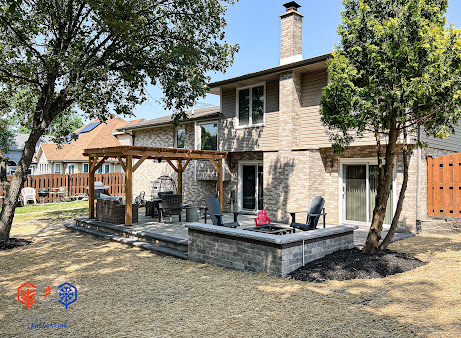
Categories Of Irrigation Systems
When considering the most effective solutions for landscape watering, understanding the various types of irrigation systems is essential for maximizing efficiency while promoting plant health. Drip irrigation delivers water directly to plant roots, minimizing evaporation and runoff, making it a perfect choice for gardens and flowerbeds. Sprinkler systems provide flexible and broad coverage for expansive areas, with options for stationary and rotating heads. Soaker hoses offer a soft and consistent watering method for row crops, enabling thorough penetration into the soil. Additionally, subsurface irrigation utilizes underground pipes or tubes, ensuring efficient moisture delivery below the surface, limiting the growth of weeds. Each irrigation system comes with its own set of unique benefits, enabling landscape professionals to choose the most appropriate system according to their specific needs and environmental factors.
Water Preservation Strategies
Water conservation remains an essential component of environmentally conscious landscaping approaches. Advanced irrigation methods, such as drip irrigation and rainwater harvesting, substantially decrease water waste while preserving landscape vitality. Drip irrigation systems supply water straight to plant roots, minimizing evaporation and runoff. Rainwater harvesting systems capture and store rainwater for later use, supplying a reliable and sustainable water resource for landscapes and gardens.
Moreover, xeriscaping, which involves designing landscapes with drought-tolerant plants, helps conserve water by minimizing irrigation requirements. Applying mulch around plants helps retain soil moisture and control weed growth, improving overall water efficiency. Installing smart irrigation systems that modify watering schedules according to current weather conditions further improves water efficiency. Together, these techniques promote eco-friendly landscaping and contribute to long-term water sustainability.
Enhancing Outdoor Enjoyment and Functionality
Furthermore, the choice of plants is essential in defining the character of the space. Drought-tolerant and native species can deliver striking beauty while limiting care requirements and water needs. Integrating outdoor lighting boosts security and aesthetic appeal, allowing outdoor spaces to be enjoyed after sunset.
At its core, a harmonious landscape design integrates the beauty of nature with functional areas, encouraging outdoor engagements and fostering a sense of community. This comprehensive strategy ensures that the exterior space is equally enjoyable and functional for everyone who utilizes it.
Regions We Service: Your Local Landscaping Experts
Regional landscaping professionals provide invaluable knowledge of area-specific climates and ground compositions, delivering customized approaches for all types of projects. Their broad service regions span a large territory, enabling customers to conveniently receive professional landscaping solutions. Recognizing the distinct requirements of every area elevates both beauty and usability in exterior environments.
Local Knowledge Makes a Difference
How can homeowners make certain their landscape design reflects the distinctive features of their region? Working with local landscaping specialists is crucial. These professionals possess in-depth knowledge of the climate, soil types, and native plants, making certain that designs not only prosper but also complement the natural environment. Regional knowledge enables customized approaches that handle unique difficulties, like pest control or water conservation, common in particular areas. Moreover, awareness of area-specific design preferences helps create visually appealing landscapes that resonate with local culture and traditions. By prioritizing local professionals, residents can create lasting, gorgeous garden areas that increase real estate worth and local attractiveness, ultimately leading to a more satisfying and enduring landscaping experience.
Wide-Ranging Service Areas
While many landscaping companies claim to serve a wide range of areas, genuine proficiency comes from recognizing the distinct requirements of local neighborhoods. Broad service areas are essential for effective landscaping, as they guarantee that professionals are familiar with regional climates, soil types, and local flora. By focusing on specific neighborhoods or regions, horticultural specialists can deliver personalized strategies that elevate the appeal and practicality of outdoor areas. Such a community-centered method cultivates deeper connections with customers, guaranteeing that their personal expectations and requirements are fulfilled. Moreover, awareness of regional codes and community requirements aids in optimizing project implementation, limiting disruptions and challenges. In the end, selecting a landscaping provider that emphasizes its coverage zones enables property owners to gain from focused expertise and outstanding outcomes.
Questions We Often Receive
What Should I Consider Before Starting a Landscaping Project?
Before starting a landscaping project, one should consider local climate, budget, design preferences, maintenance requirements, soil conditions, and the intended functionality of the space to guarantee a favorable and long-lasting outcome.
How Can I Select the Best Plants for My Climate?
To choose the ideal vegetation for a particular region, you should consider regional temperature variations, precipitation levels, soil characteristics, and sunlight exposure. Additionally, choosing locally adapted species can improve adaptability and sustain regional ecosystems successfully.
What Is the Usual Timeline for a Landscaping Project?
A typical landscaping project timeline varies from a few weeks to several months, based on the size and complexity of the project. Elements like weather conditions, design approval, and plant availability can have a considerable effect on the total timeframe as well.
Is Environmentally Conscious Landscaping an Option?
Yes, environmentally friendly landscaping options include native plants, xeriscaping, rain gardens, and organic gardening practices. Such selections support biodiversity, conserve water, and limit chemical applications, developing eco-friendly outdoor areas that support both communities and nature.
What Are the Ways to Integrate Hardscaping Into My Landscape Design?
Integrating hardscaping into landscape design requires picking materials like wood, stone, or concrete for walls, patios, and pathways. Positioning these features harmoniously elevates visual appeal while offering functional spaces for outdoor activities and relaxation.